- Hours
- Tue–Sun 09:30–17:00
- Closed
- Mondays, Lunar New Year's Eve and Day
- Per person
- NT$100 (full ticket)
- Phone
- 02-2558-9790
- Good to know
- Last tickets at 16:30
Hours and prices change. Check Google Maps before you go.
Where it is
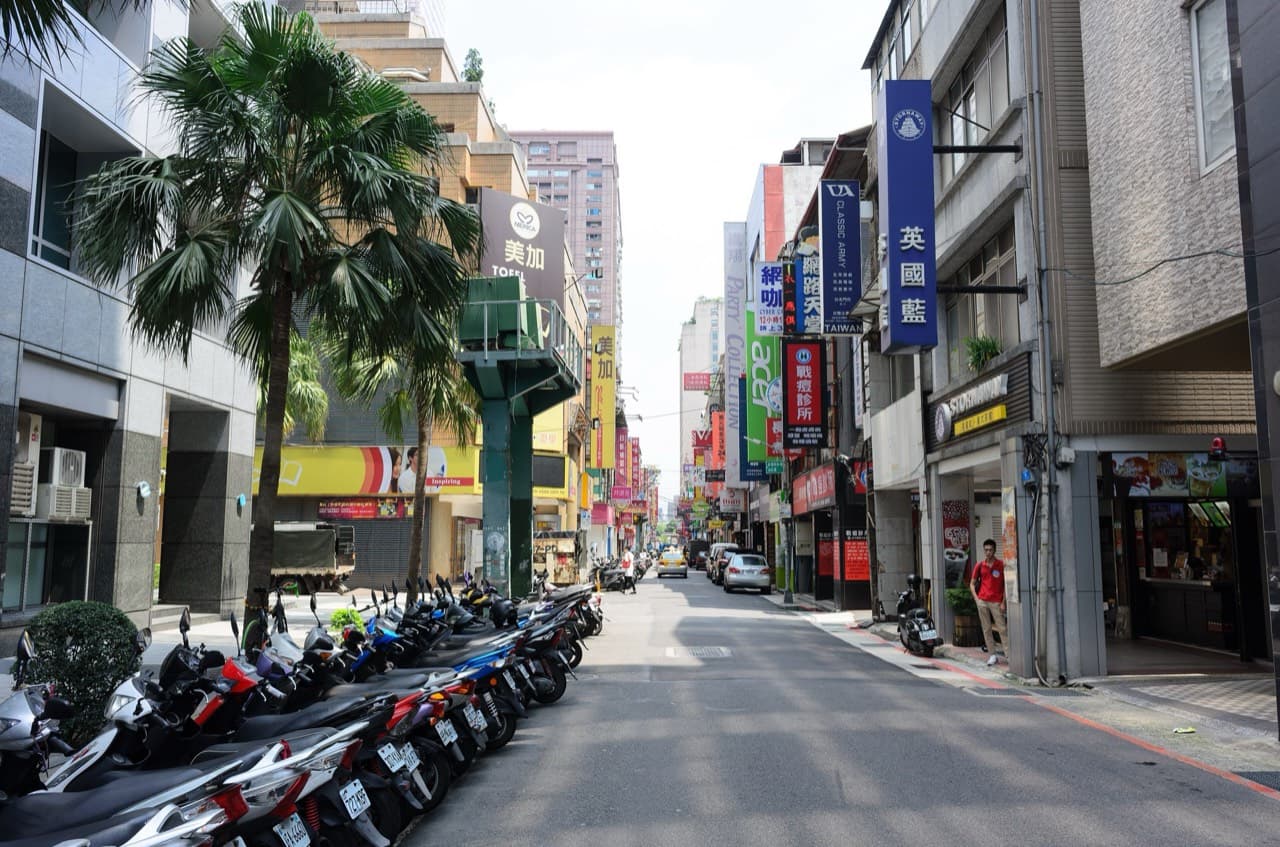
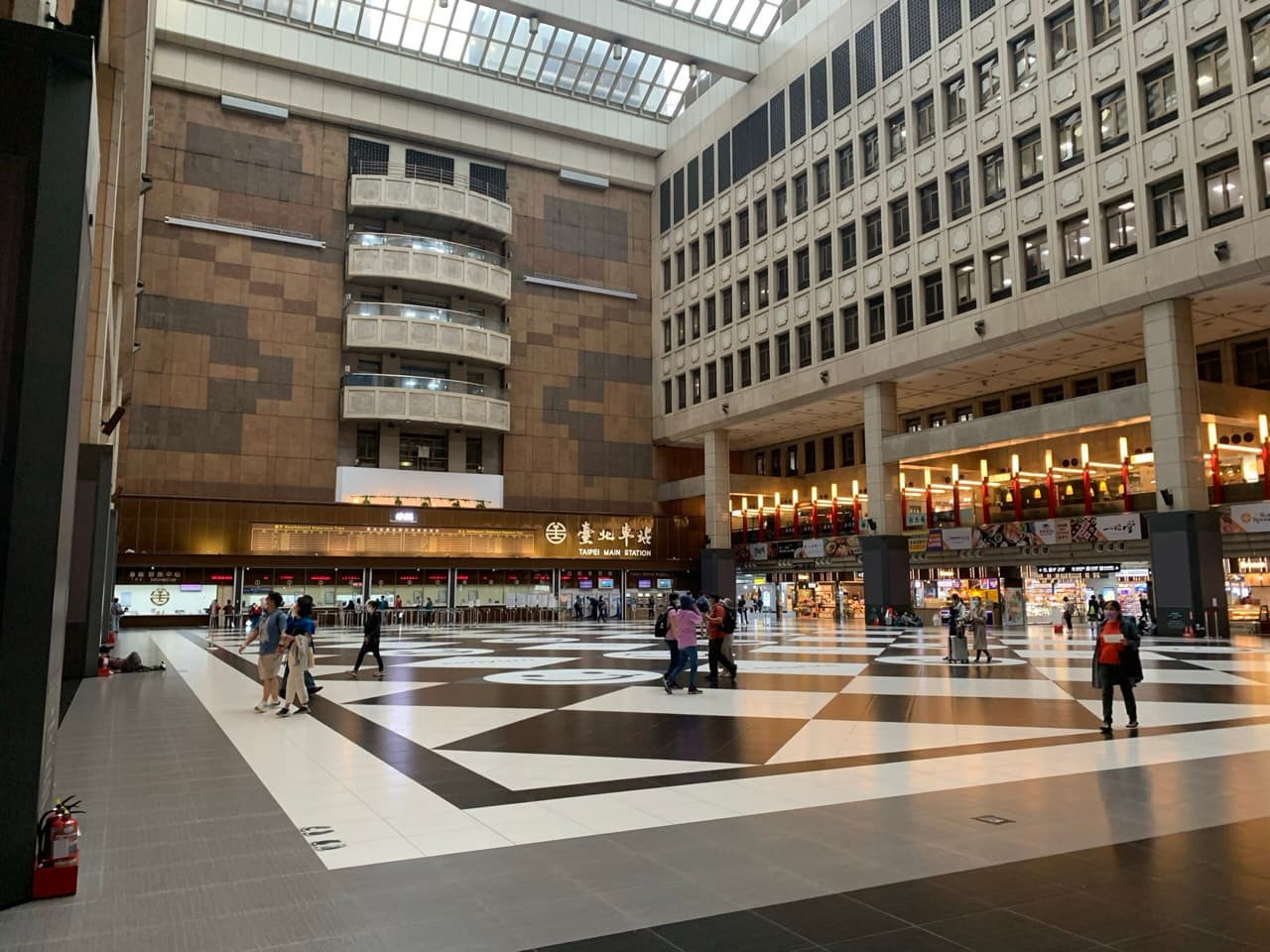
The park is at No. 2, Sec. 1, Yanping N. Rd. in Datong, on the corner of Zhongxiao W. Rd., right next to the North Gate. It is about a 7-minute walk from Taipei Main Station. By MRT, Beimen Station Exit 2 on the Songshan–Xindian line is closest, or walk from Exit 6 of the Airport MRT's Taipei Main Station.
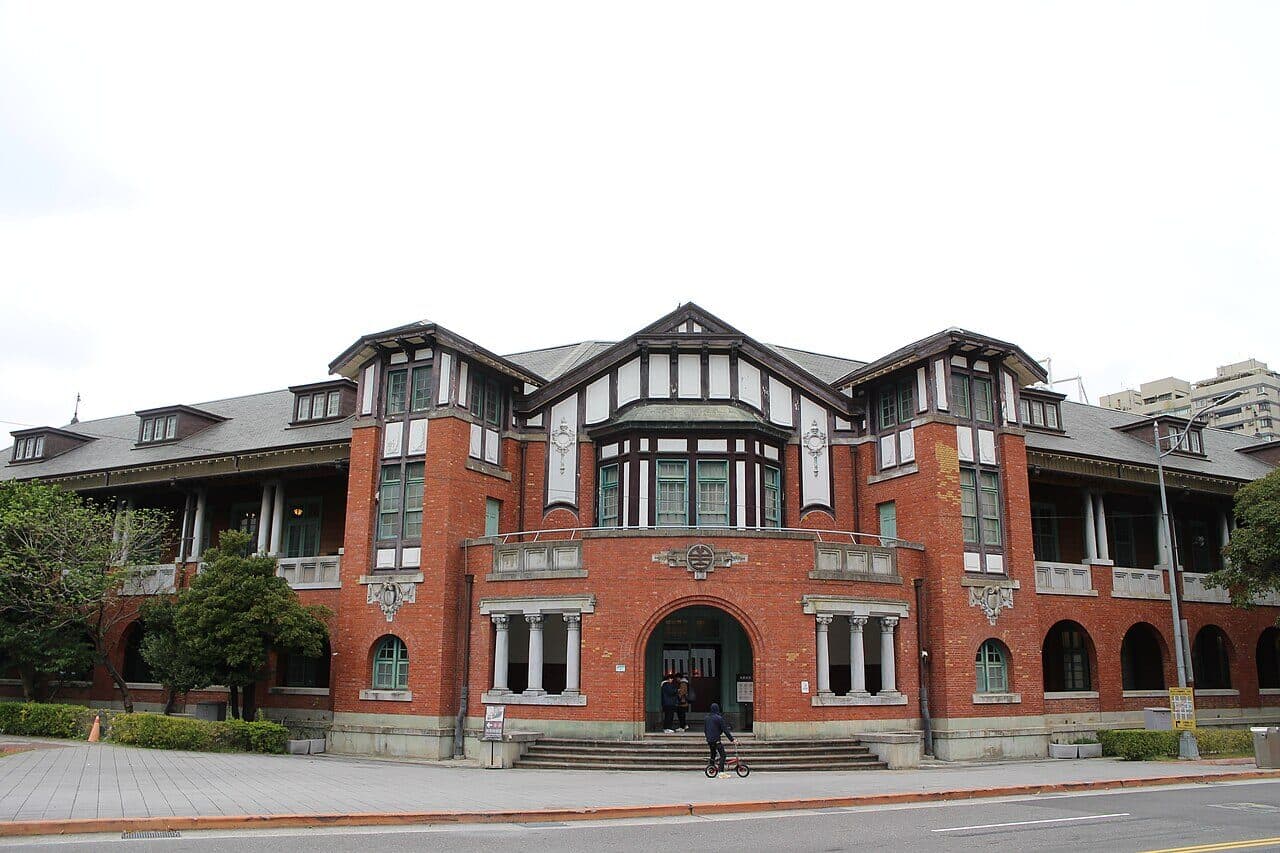
It is one of the four sites of the National Taiwan Museum and opened in July 2020. Six of its buildings are national monuments: the main office, the dining hall, the Octagon, the power room, the engineering office and the wartime command center.
Tickets and hours
- ◆Hours: Tuesday to Sunday, 9:30 am to 5 pm, last tickets at 4:30 pm. Closed Mondays, Lunar New Year's Eve and the first day of Lunar New Year; open on public holidays.
- ◆Tickets: NT$100; NT$50 for students and children 6 to 12; free under 6.
- ◆Four-site pass: NT$130 for one visit each, within a month, to the main museum (in 228 Peace Park), the Paleontology Hall, the Nanmen Branch and the Railway Department Park.
- ◆Payment: EasyCard, credit card and LINE Pay are accepted.
- ◆Tours: guided tours in Mandarin at 10:30 am and 2:30 pm on open days.
- ◆Food, drinks and umbrellas can't be taken inside.
A century-old railway office
In 1885, Qing governor Liu Ming-chuan set up a machinery bureau here to make arms and mint coins. Under Japanese rule it became the Taipei railway works, which repaired trains, and then the Railway Department, which ran every railway in Taiwan.
The main office was finished in stages between 1918 and 1920, designed by Moriyama Matsunosuke. It is brick below and timber above, with plenty of Alishan cypress, in an English style of red brick and white faux stone, with two towers at the front.
Inside, the lobby's white columns, wooden staircase and plaster ceiling work have been carefully restored, and there is an oval ceiling, rare in Taiwan. The restoration ran from 2014 to 2016, and one permanent exhibition tells its story.
The model railway and a Chu-Kuang carriage
The railway culture exhibition covers more than a century of Taiwan's railways, with old tickets, ticket machines, signals and train lunch boxes. There is even a whole Chu-Kuang Express carriage inside, so you can get the feel of the old train without going to a station.
Don't miss the moving model railway. At 1:80 scale, it shows the Taipei railway works and machinery bureau of the 1910s and the streets around Taipei Main Station in the 1970s and 80s, with model trains running at set show times.
With kids, there is also a children's exhibition, the Steam Dream Factory, about how steam trains work, with a ride for children up to 110 cm tall.
The Octagon: a men's room monument
The most unusual building here may be a toilet. The Octagon was built in 1919. Most of the staff were men, so it is men's only.
A hollow octagonal column stands in the middle, with a vent on top, and eight beams run from it to the outer walls like an open umbrella. Eight urinals ring the column. You can walk in and look around.
The cone-shaped wartime command center
In the northwest corner stands a gray, cone-shaped building: the wartime command center, an air-raid shelter built in 1943 for the department's top staff. It was round at first; the outer shell was added in 1957, and the pointed shape was meant to deflect bombs.
Living near Taipei Main Station
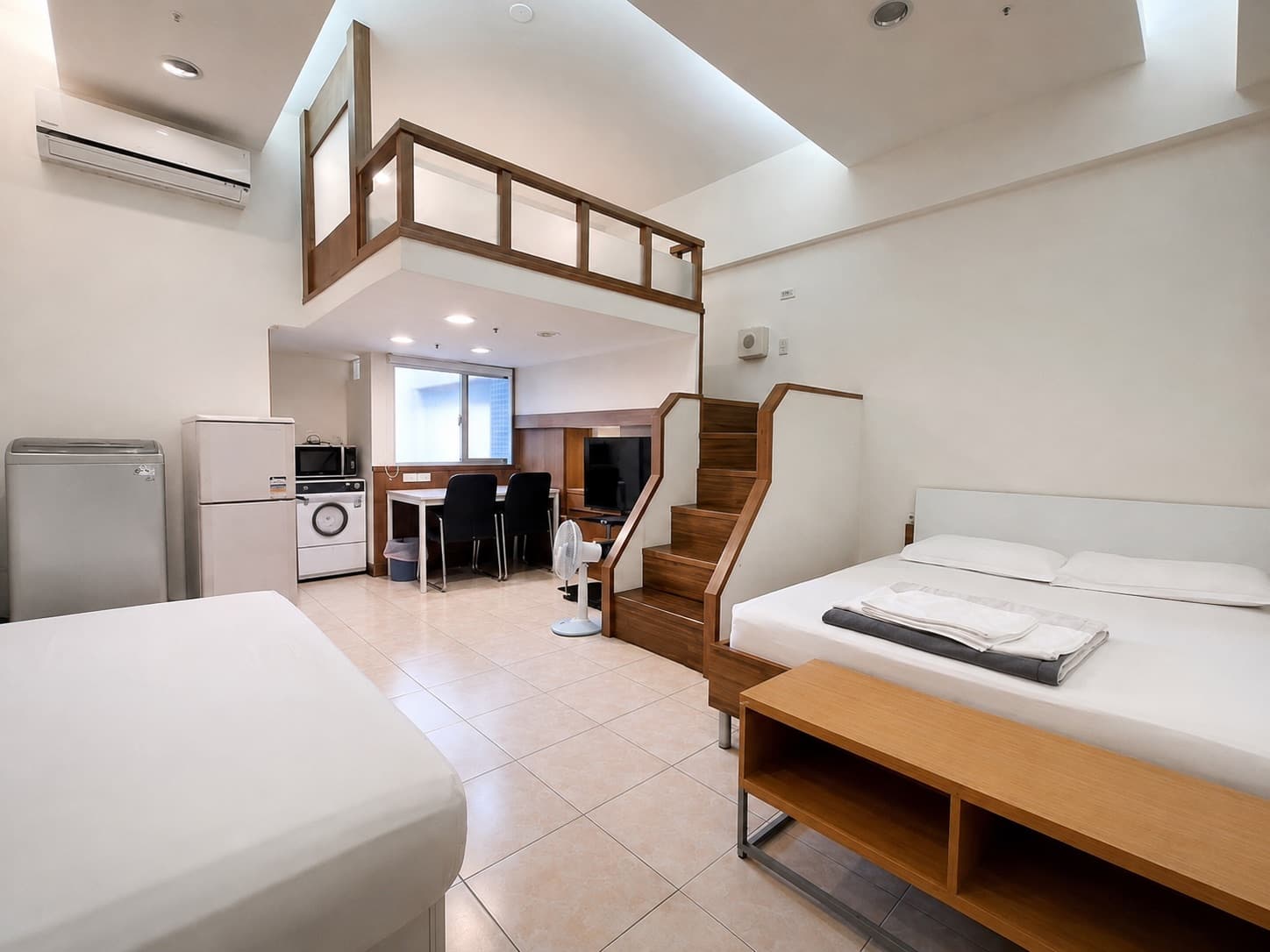
The Railway Department Park is just a 7-minute walk from Taipei Main Station, with the North Gate next door and Ximending and Dihua St. within walking distance. If you'd like to stay in Taipei a while, our monthly rooms near the station are in elevator buildings with building staff. Stays start at 30 days, the rooms come furnished, and you can move in with just a suitcase.